
International Partners & Study Trips
Understanding international perspectives by experiencing them.
Understanding other markets, discovering new perspectives, and thinking beyond national borders: internationality is an integral part of SIBE's understanding of management and leadership.
Our international network and optional study trips offer students and alumni the opportunity to experience other economic regions, companies, universities, and cultures up close.
SIBE goes international


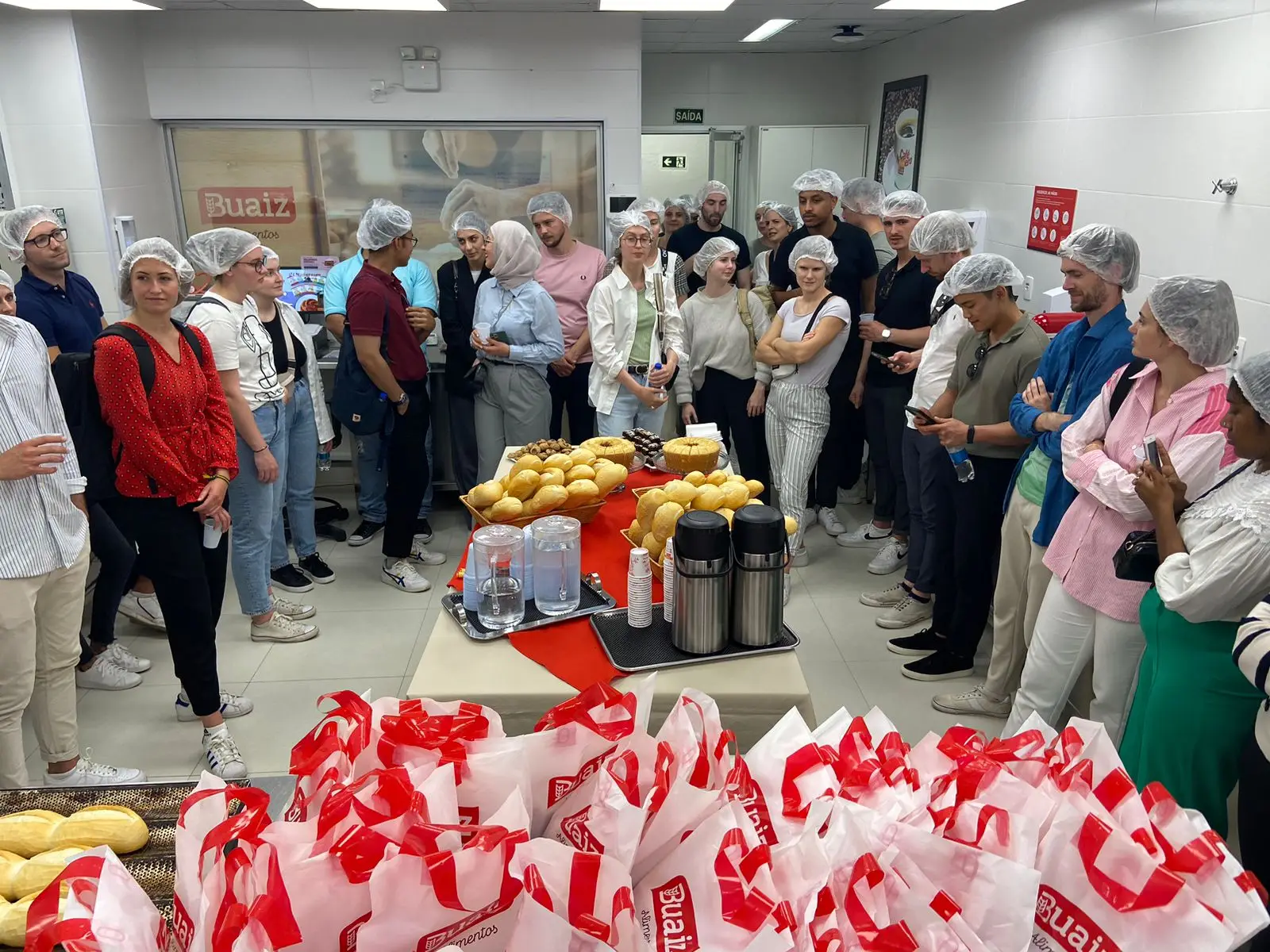
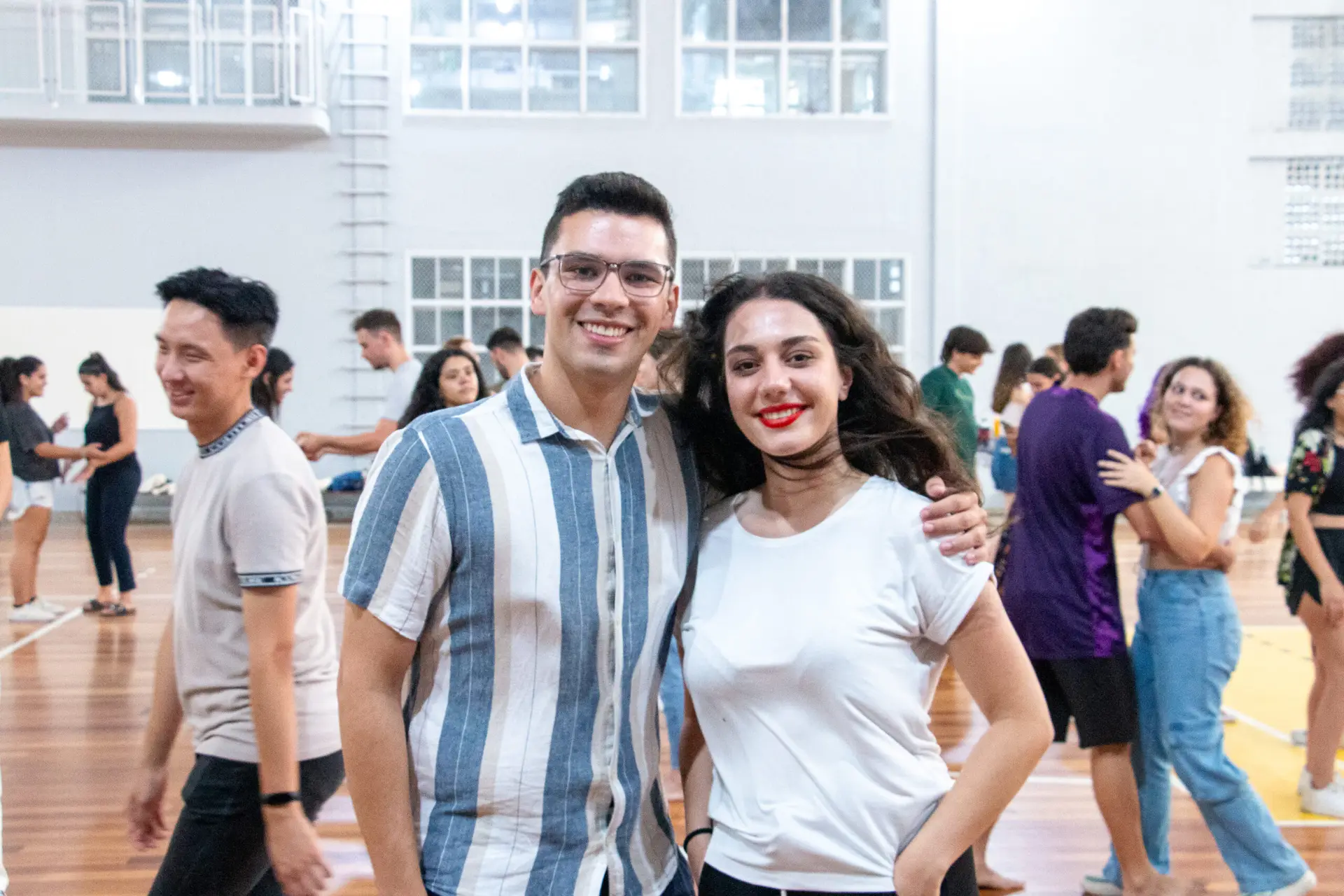

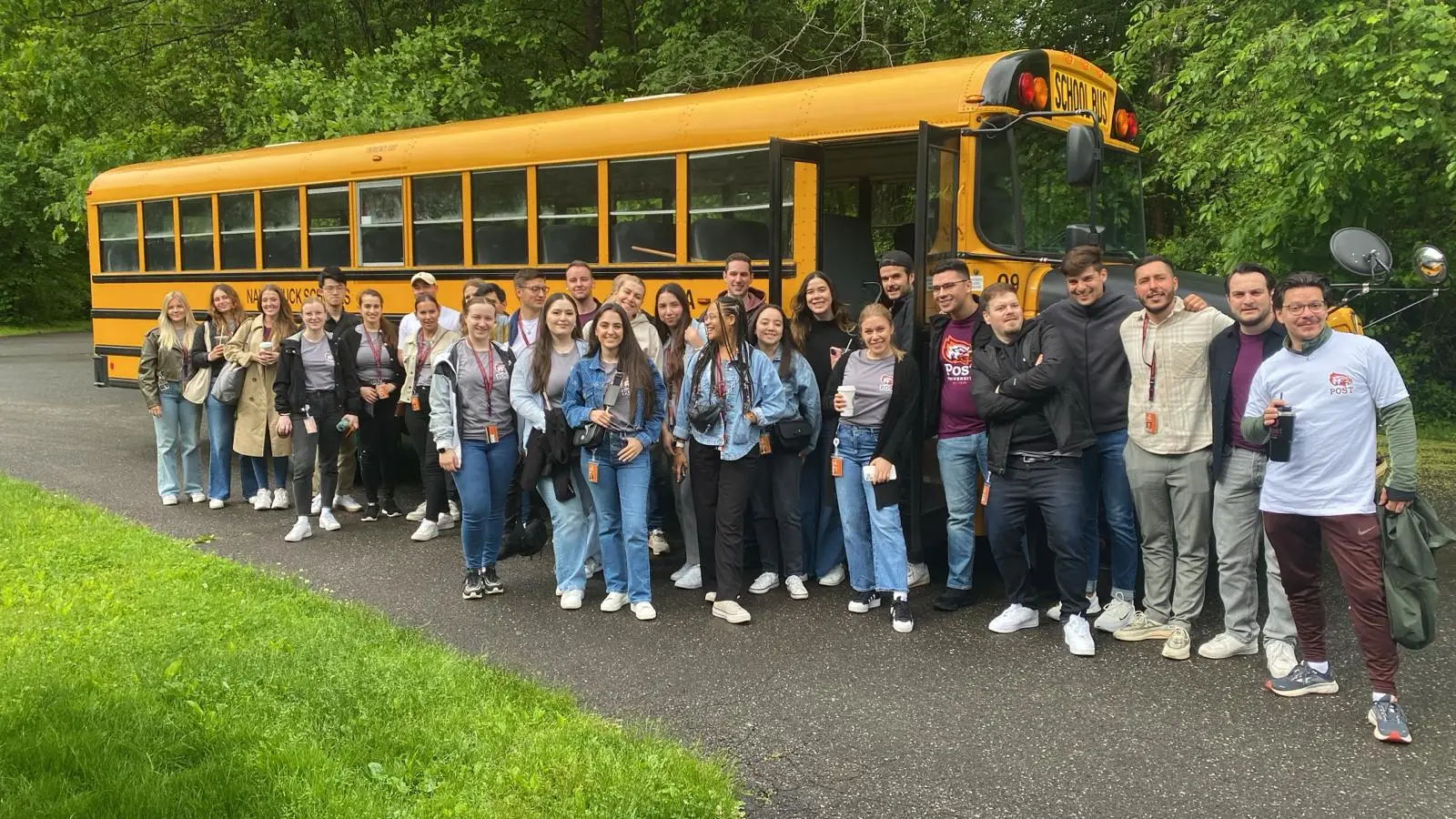
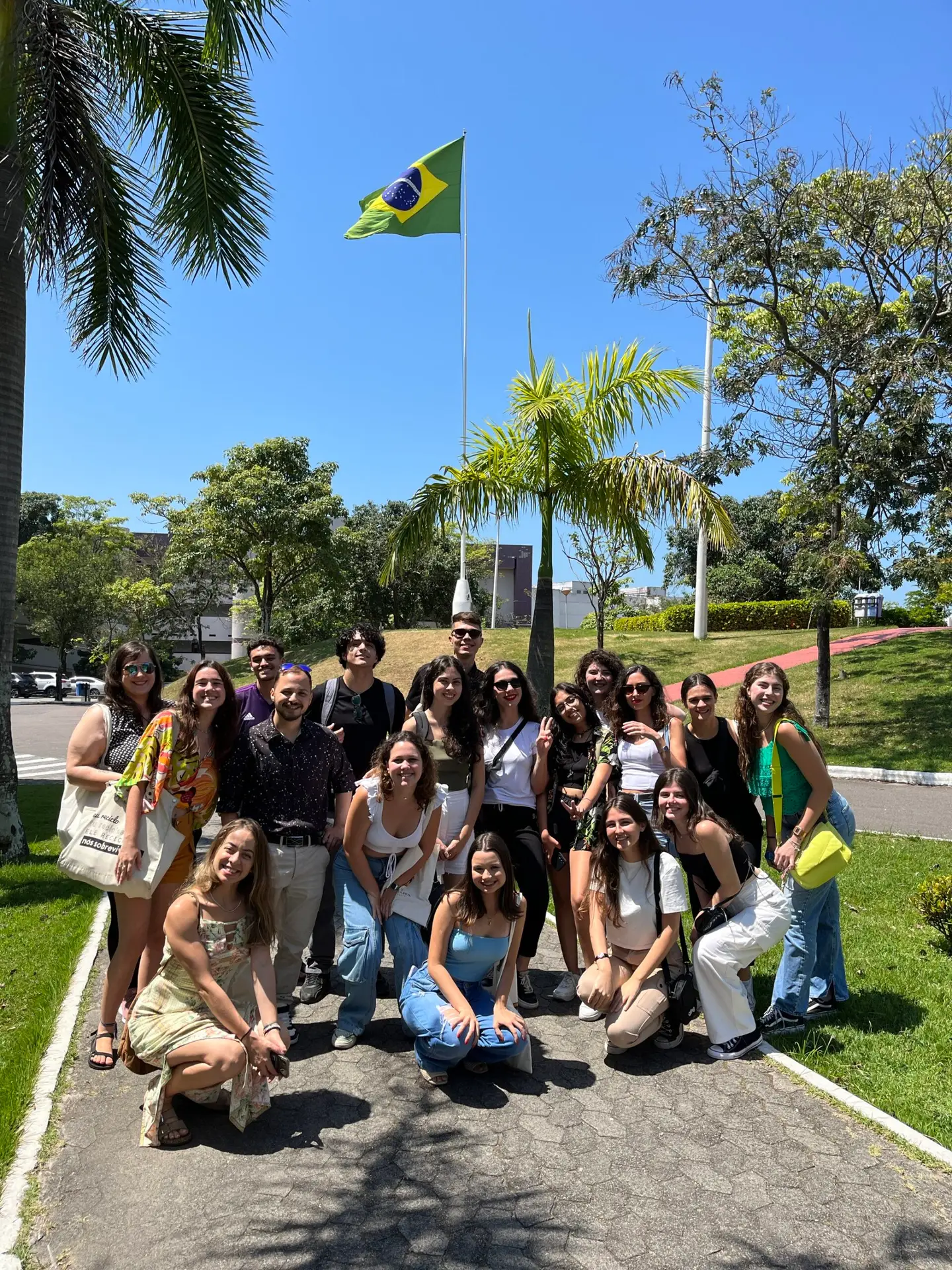
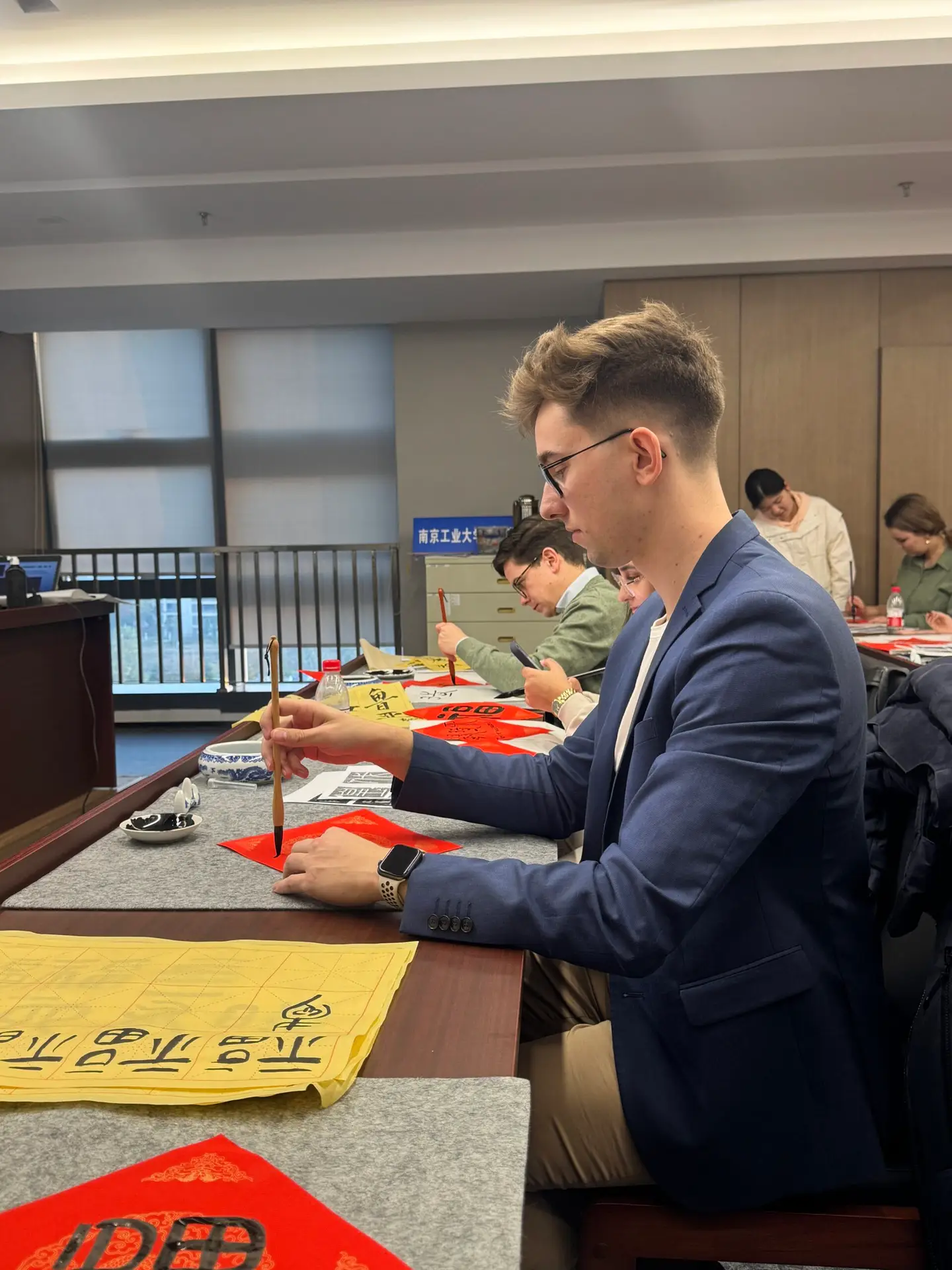
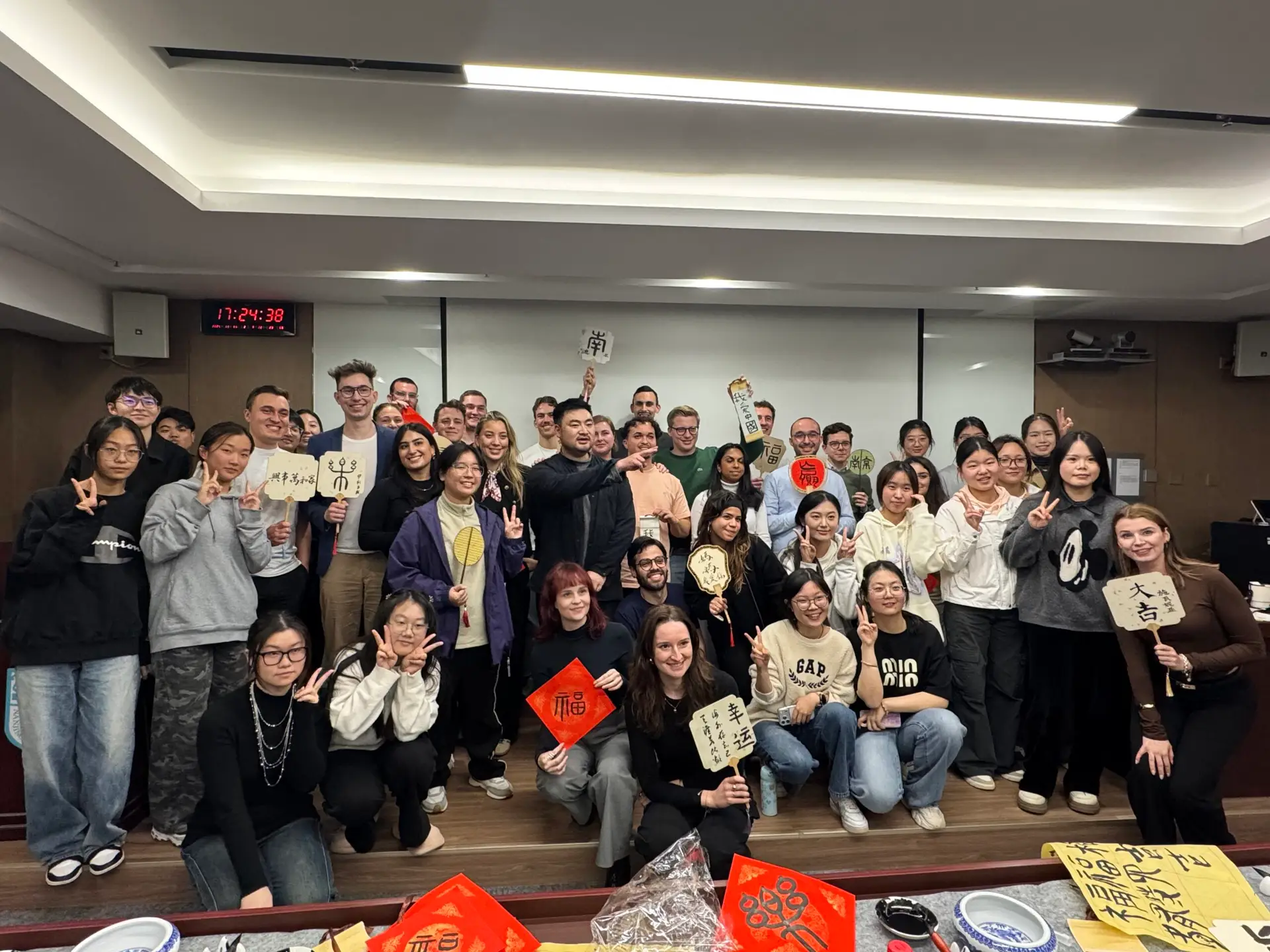
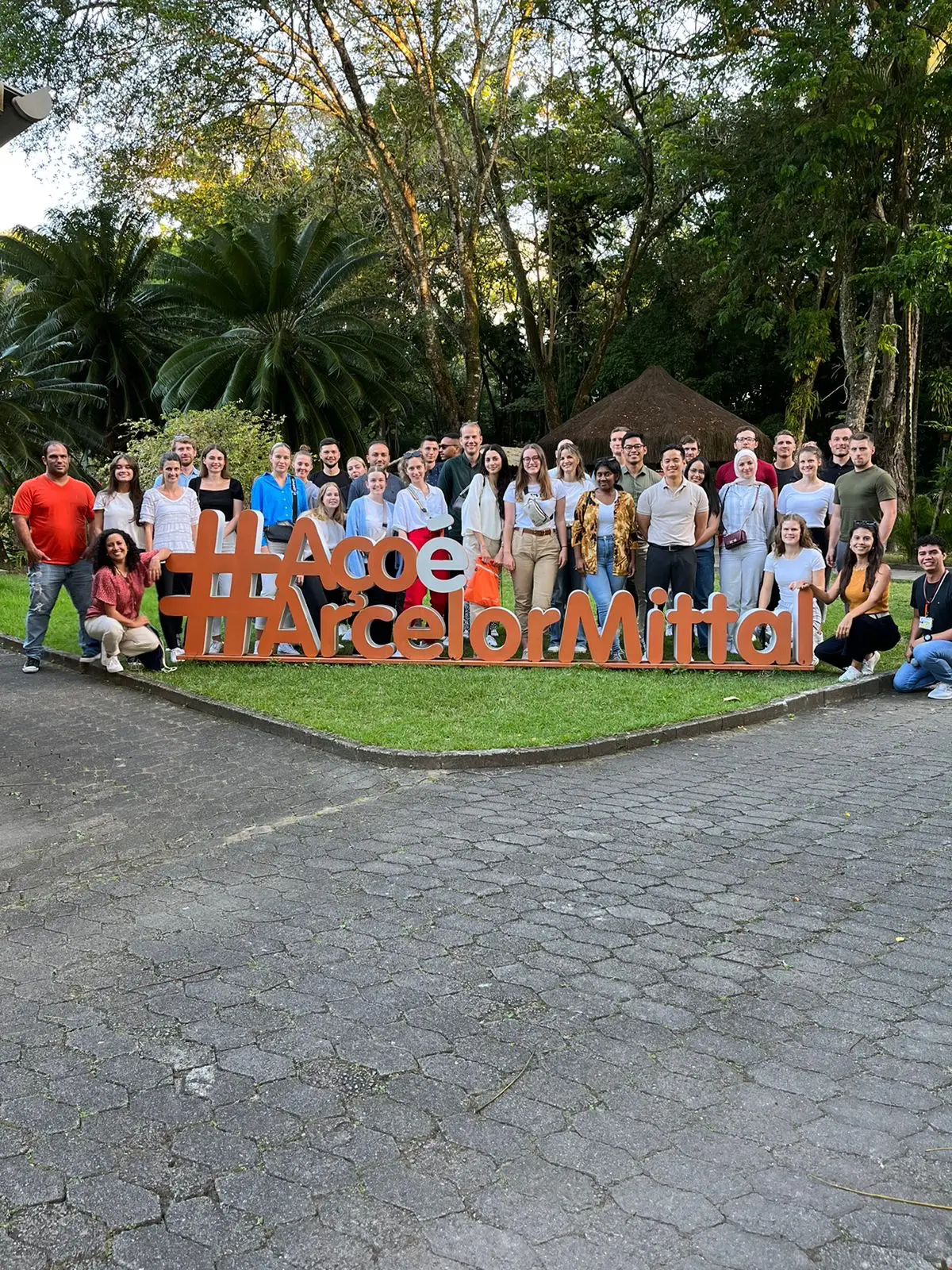
New markets. New perspectives. New experiences.
International business cannot be understood from a distance alone.
Our optional study trips give students and alumni exclusive insights into selected international markets. In doing so, we combine economic, academic, and cultural perspectives. The program varies depending on the destination and may include, among other things:
01
Experience companies
Behind-the-scenes insights.
02
Exchange perspectives
In conversation with people on site.
03
Understand culture
A country is more than its economy.
Brazil
Experience business, higher education, and culture.
USA
Get to know business and campus life.


China
Discover one of the most dynamic economic regions in the world.
Globally connected.
Partnerships that open up new perspectives.
International cooperation has been part of SIBE for many years. Our network connects us with universities and institutions in various parts of the world.
The collaborations provide access to new perspectives, international know-how, and joint educational programs—while simultaneously forming the basis for selected international activities of the SIBE.
Europe
Edinburgh Business School / Heriot-Watt University – EBS / HWU
Edinburgh, United Kingdom
The Edinburgh Business School is the graduate school of business of the long-established Heriot-Watt University. It combines international management education with high academic expertise and a flexible study approach. With students from more than 165 countries, it represents a particularly international learning and academic community.
More about the partnership
Edinburgh Business School is the graduate school of business at Heriot-Watt University. The business school has built its strong reputation on the proven track record of Heriot-Watt University’s students, alumni, and faculty. All EBS degree programs are led by an international faculty whose members are recognized as leading scholars in their respective fields. The key to EBS’s success lies in its unique, flexible approach, which was developed by the Business School’s founder, Professor Keith Lumsden. Heriot-Watt University, the world’s first technical college and one of the first universities in the United Kingdom, quickly established a reputation for first-class teaching and cutting-edge research. To date, this reputation has attracted students from more than 165 countries, including the world’s most progressive companies, organizations, and government agencies. For nearly 200 years, Heriot-Watt University has been one of the leading institutions of higher education in the United Kingdom. Founded as a college for engineers, Heriot-Watt University bears the names of two giants of Scottish business and engineering: George Heriot, financier to King James VI; and James Watt, pioneer of steam power and one of the leading figures of the Industrial Revolution of the 18th and 19th centuries. From the green outskirts of the Scottish capital to its modern campuses in Dubai and Malaysia, Heriot-Watt University’s programs are at the forefront in fields such as energy, the environment and climate change, risk and modeling, infrastructure, and transportation. As a result, this Scottish university ranks among the top 4 % universities worldwide.
Danube University Krems – DUK
Krems, Austria
University for Continuing Education Krems specializes in the advanced qualification of working professionals. In research and teaching, it combines scientific expertise with current societal challenges and a strong practical focus. With its many years of experience in part-time continuing education, it is thus a suitable partner for SIBE.
More about the partnership
University for Continuing Education Krems specializes in the advanced qualification of working professionals. In research and teaching, it combines scientific expertise with current societal challenges and a strong practical focus. With its many years of experience in part-time continuing education, it is thus a suitable partner for SIBE.
Brazil
Federal Institute of Education, Science and Technology of Maranhão – IFMA
Maranhão, Brazil
The Federal Institute of Education, Science and Technology of Maranhão (IFMA) combines education, science, and technological research at numerous locations in the Brazilian state of Maranhão. With technical training programs as well as bachelor's and master's degree programs, the institute covers a broad spectrum of education while also engaging in research and social knowledge transfer.
More about the partnership
The Federal Institute of Education, Science and Technology of Maranhão (IFMA) was founded in December 2008 with the merger of the Federal Center for Technological Education of Maranhão (CEFET-MA) and the Agrotechnical Schools of Codó, São Luís, and São Raimundo das Mangabeiras. Currently, IFMA has 29 campuses, three educational reference centers (in the process of implementation), a technology reference center (Certec), and an advanced research center in environmental sciences, distributed across all regions of Maranhão. The institution offers introductory courses and technical programs, as well as bachelor's and master's degree programs. The institution has more than 70 research groups divided into seven broad fields of knowledge. It develops extension activities in the areas of education, culture, leisure, human rights, health, work, and employability.
Vila Velha University – UVV
Vila Velha / Espírito Santo, Brazil
Universidade Vila Velha (UVV) is a private higher education institution in the Brazilian state of Espírito Santo. At the heart of its educational philosophy are the impartation and further development of knowledge as well as the qualification of future leaders who can shape economic, social, and political challenges in an interdisciplinary manner and within an international environment.
More about the partnership
Vila Velha University (UVV) is the oldest and, with more than 13,000 enrolled students, largest private higher education institution in the state of Espírito Santo. It was founded in 1974 with the mission of generating, providing access to, and disseminating knowledge, especially for future managers who understand how to work interdisciplinarily and in a global environment in the fields of innovation, social affairs, politics, and business.
Catholic University of Santos – UniSantos
Santos / São Paulo, Brazil
The Universidade Católica de Santos (UniSantos) combines a wide range of academic programs with a special focus on the fields of environment, logistics, and energy. Due to its location in the important port city of Santos and its close connection with business and research, the university offers an environment where academic education and current economic issues come together.
More about the partnership
The Universidade Católica de Santos (UniSantos) is located in the important Brazilian port city of Santos, right on the Atlantic Ocean. The university was founded in 1951 with the aim of providing high-quality higher education with close ties to the Catholic Church. Research and teaching focus on the fields of environment, logistics, and energy.
The UniSantos campus is divided into three locations in Santos and one location in São Sebastião. Santos itself is located in the Baixada Santista metropolitan region in the state of São Paulo. The Port of Santos is the largest port in Latin America in terms of cargo volume. Many international companies, such as ThyssenKrupp, Hapag-Lloyd, and Petrobras, have branches in the Greater São Paulo area, which also includes Santos.
With the IPECI (Instituto de Pesquisas Científicas e Tecnológicas), UniSantos has a renowned research institute with over 20 years of experience and expertise and more than 100 laboratories. The IPECI conducts research in fields such as biotechnology, environmental engineering, logistics, and energy technologies.
With nearly 7,000 students in 34 undergraduate programs, 40 MBA programs, and 4 master's programs, UniSantos also has a very broad academic offering.
UniSantos offers renowned management programs, for example in port management, environmental management, or management in the energy sector. In addition, it can draw on a network of over 560 partners in the public or private sector (e.g., Petrobras).
Faculdades da Indústria – FDI
Curitiba / Paraná, Brazil
Faculdades da Indústria (FDI) closely link academic education with industrial requirements. Through their integration into the industrial network of the state of Paraná, students benefit from a strong connection to businesses and direct insights into the regional economy. The focus is on qualifying future skilled workers and leaders for the industry.
More about the partnership
Curitiba / Paraná, Brazil
Faculdades da Indústria (FDI) closely link academic education with industrial requirements. Through their integration into the industrial network of the state of Paraná, students benefit from a strong connection to businesses and direct insights into the regional economy. The focus is on qualifying future skilled workers and leaders for the industry.
Euvaldo Lodi Institute – IEL
Brazil
The Instituto Euvaldo Lodi (IEL) connects companies, universities, and institutions with the goal of bringing together knowledge, new technologies, and economic development. With its nationwide presence, IEL supports companies particularly in the areas of continuing education, innovation, and strategic development. Since 2012, IEL has been cooperating with SIBE with a focus on executive education.
More about the partnership
IEL – Euvaldo Lodi Institute
The IEL, Instituto Euvaldo Lodi, is affiliated with the CNI and, together with SENAI and SESI (Serviço Social da Indústria), the Social Service for Industry, forms the so-called industrial system. This network is designed to generate nationwide synergies in industry in the areas of vocational training, continuous entrepreneurial education, social responsibility, technological innovation, and internationality.
IEL was founded in 1969, named after the businessman and politician Euvaldo Lodi, with the intention of strengthening and solidifying the relationship between businesses and universities. Euvaldo Lodi himself was an entrepreneur and politician and later also the first president of the CNI in Brazil. The innovative concept proposed at the time was based on the interaction between universities and industry with the intention of promoting economic development adapted to the challenges of the modern world.
Today, IEL has specialized mainly in professional continuing education in companies and is represented in all 27 Brazilian states. Nationwide, there are a total of 103 independent service offices that simultaneously serve as so-called antennas, allowing IEL to meet the needs of companies in the various regions. To achieve its goals, IEL promotes interaction between companies and institutions that generate knowledge and new technologies. In its work, IEL takes regional characteristics into account and offers its member companies corporate training, consulting, and strategic information.
IEL has been cooperating with SIBE since early 2012 and would like to focus on executive education.
Catholic University of Brasília – UCB
Brasília, Brazil
The Universidade Católica de Brasília (UCB) is one of Brazil's major private universities. With its wide range of academic programs and years of experience, it combines academic education with the mission to foster personal and social development. Quality, community, and responsible action are at the core of its approach.
More about the partnership
UCB – Catholic University of Brasília
The partner university UCB – Universidade Católica de Brasília (Catholic University of Brasília) is located in Brazil's capital, Brasília. The foundation for today's university was laid as early as 1972 with the establishment of its first faculties. In 1994, these were recognized as a university by the Brazilian Ministry of Economy and Sports. New opportunities were seen in this university, particularly due to the urban development in the new Brazilian capital.
With its many years of experience, the Universidade Católica de Brasília is now one of the largest and most prestigious private universities in Brazil. It is run by the Catholic Archdiocese of Brasilia. It currently employs over 850 lecturers and offers study places for more than 19,000 students.
The Universidade Católica de Brasília has the mission to act collaboratively and effectively for the development of the individual and society, supported by the establishment of a knowledge community, quality, and Christian-ethical values.
Mauá Institute of Technology
São Paulo, Brazil
The Instituto Mauá de Tecnologia is a private, non-profit educational and research institution focused on technical and scientific education, research, and development. By combining technology, business, and application-oriented continuing education, the institute qualifies professionals and leaders who contribute to Brazil's economic and social development.
More about the partnership
The Instituto Mauá de Tecnologia is a private, non-profit institution based in downtown São Paulo, Brazil. Its main objective is to promote technical and scientific education, technical research, and development in order to train highly qualified graduates who can later influence the socioeconomic development of Brazil.
The Instituto Mauá de Tecnologia was founded on December 11, 1961, and maintains the following facilities: the Centro Universitario (institution of higher education for undergraduate and graduate studies) as well as Technical Services and a Test Center.
The Business School and the Continuing Education Center of the Instituto Mauá de Tecnologia are located on the São Paulo campus. The engineering departments are located on the São Caetano do Sul campus. The Instituto Mauá de Tecnologia has more than 400 faculty members and instructors, of whom more than 65% hold a PhD or master’s degree.
USA
Post University
Waterbury, Connecticut, USA
Post University was founded in 1890 and combines a traditional campus in Waterbury with digital study programs. The Malcolm Baldrige School of Business places a special focus on innovation, quality, integrity, and leadership.
More about the partnership
Post University was founded in 1890. In addition to online programs, Post University maintains a campus in Waterbury, Connecticut, USA, where it offers on-ground degree programs and courses alongside the full spectrum of traditional U.S. American college and university life.
Student-athletes can choose from, for example, 18 competing NCAA Division II sports and intercollegiate equestrian teams.
Post University and the Malcolm Baldrige School of Business are accredited by the New England Association of Schools and Colleges (NEASC) Commission on Institutions of Higher Education and the Accreditation Council for Business Schools and Programs (ACBSP). Named after former U.S. Secretary of Commerce Malcolm Baldrige, the Malcolm Baldrige School of Business at Post University focuses on the qualities that led Baldrige to success, first in the business world and then in the White House: innovation, quality, integrity, and leadership.
The Malcolm Baldrige School of Business represents the Baldrige principles in every program, course, and through every professor, giving students the foresight to anticipate the world's needs and the tools to put that foresight into action. The Malcolm Baldrige School of Business imparts ethics and experience, showing what it takes to succeed in the business world with integrity and how to confidently adapt to the world of tomorrow.
All degree programs of The Malcolm Baldrige School of Business at Post University are nationally accredited by the Accreditation Council for Business Schools and Programs (ACBSP).
Here you will find information regarding the rankings and awards of Post University.
The Malcolm Baldrige School of Business is a cooperation partner of SIBE in the M.A./MBA (USA) dual degree program.
India
SAMVIT School of Executive Education – SAMVIT
Pune, India
The SAMVIT School of Executive Education specializes in part-time continuing education and management development. Its programs are developed in close cooperation with industry experts and combine sound management expertise with application-oriented knowledge. A particular focus is placed on educational offerings tailored to the specific requirements of companies and industries.
More about the partnership
The SAMVIT School of Executive Education is the Indian partner of SIBE of Steinbeis University. SAMVIT began its journey in a niche and specialized educational offering for the construction industry with the founding of its flagship institution, the Samvit School of Infrastructure Business. It offers two-year full-time programs, undergraduate degree programs, and part-time programs to create talent for the construction industry. In 2012, SAMVIT strongly established itself in the executive education sector by introducing industry-relevant and industry-recommended short-term, part-time, and management development programs. SAMVIT was conceived and established by Dr. Arun Mudbidri, former Director of the Symbiosis Institute of Business Management (SIBM). He holds a doctorate in business administration, a degree in law, a master's in human resources, and has a wealth of 33 years of experience in academia. SAMVIT's academic programs are developed in close collaboration with industry experts, ensuring that students are taught not only theory but also relevant applied knowledge.
Symbiosis Institute of Business Management – SIBM
Pune, India
The Symbiosis Institute of Business Management (SIBM) is an Indian business school focusing on management education and close cooperation with industry. Its academic offerings include various MBA programs as well as executive education, combining academic management expertise with the requirements of businesses.
More about the partnership
The Symbiosis Institute for Business Management in Pune is a business school in India known for its contribution to academia, high-quality management programs, and industry collaboration. Founded in 1978, SIBM Pune offers MBA programs specializing in Marketing, Finance, Operations, Human Resources, as well as Innovation and Entrepreneurship, in addition to executive postgraduate courses that are similarly tailored to industry needs and/or function as corporate programs.
Iran
Isfahan Science and Technology Town - ISTT
Isfahan, Iran
Isfahan Science and Technology Town (ISTT) connects science, research, and business in a shared innovation ecosystem. Through science parks and incubators, it promotes innovative companies, entrepreneurship, and the transfer of knowledge and technologies between universities, research institutions, industry, and the market.
More about the partnership
The Isfahan Science and Technology Town (ISTT) in Isfahan, Iran is a pioneering organization that connects science parks and incubators. The ISTT creates an environment in which various elements such as research centers, production and service companies, as well as research and development units of government organizations and/or industrial companies can work together. ISTT started its official business operations in the year 2000 and includes science parks, pre-incubators, and incubators.
The mission of ISTT is to promote knowledge-based economic development by supporting innovative companies, fostering an entrepreneurial culture, establishing science and technology parks and incubators, and facilitating knowledge transfer between universities, research institutions, businesses, and the market. In addition, a goal is to encourage industry to invest in knowledge, development, and commercialization in order to strengthen the interfaces between science, research institutions, and the economy, and to attract international companies for joint ventures with local businesses.
China
Tongji University
Shanghai, China
Tongji University is one of China's leading universities, featuring a broad academic profile with particular strengths in engineering, economics, and management. Through its German-Chinese roots and long-standing cooperation with Germany, it enjoys exceptionally close international networks. Research, interdisciplinary education, and international exchange shape the university's profile.
More about the partnership
Tongji University is one of the leading universities directly under the State Ministry of Education in China. It offers degree programs both at undergraduate and postgraduate levels. The university has the School of Sciences, School of Architecture and Urban Planning, School of Civil Engineering, Mechanical School, School of Environmental Science and Engineering, School of Materials Science and Engineering, School of Electronics and Information Engineering, School of Traffic and Transportation, Medical School, School of Humanities and Law, School of Foreign Languages, School of Economics and Management, School of Software Engineering, and the School of Ocean and Earth Science. In addition, there are the Institute of Continuing Education, Institute of Advanced Technology, Institute of Vocational and Technical Education, Institute of Online Education, Women's College, Institute of Automotive Marketing, and the Sino-German Institute, which is authorized by the Chinese and German governments to run postgraduate courses. There are also six university hospitals located on different campuses.
The university now registers over 50,000 students at all levels from certificate and diploma courses to Bachelors Degrees, Masters, PhD programs and post doctoral attachments. There are over 4,200 academic staff for teaching and/or research, among whom there are 6 Members of the Chinese Academy of Sciences, 7 Members of the Chinese Academy of Engineering, over 710 professors and 1,500 associate professors. The university offers diverse courses in its 82 Bachelors Degrees, 218 Masters, 94 PhD programs and 16 post-doctoral mobile stations. As one of the state's leading centers for scientific research, the university has 22 state key laboratories and engineering research centers.
The history of Tongji University dates back to 1907, when the Tongji German Medical School was founded by Erich Paulun, a German doctor in Shanghai. The name “Tongji” implies cooperation, as if everyone were riding in the same boat. The school expanded its programs to include engineering and was renamed Tongji Medical and Engineering School in 1912. It was formally established as a university in 1923 and renamed National Tongji University in 1927. During the War of Resistance Against Japan (1937–1945), the university campus was relocated from Shanghai first to Zhejiang Province, then to Jiangxi and Yunnan Provinces, and later to Sichuan Province. It eventually returned to Shanghai in 1946. It then grew into a comprehensive university offering programs in science, engineering, medicine, the arts, and law. The university soon gained recognition both at home and abroad. Following a nationwide campaign to reorganize schools and departments across universities in 1952, Tongji University became a university with a strong focus on engineering, particularly civil engineering. Authorized by the central government, the university reestablished its relationship with Germany in 1978. Professor Li Guohao, president of the university and a member of the Chinese Academy of Sciences, launched two transformations: first, the transition from a university with a focus on civil engineering to a comprehensive university with a focus on engineering; and second, the transition from a university well-known in China to an international university recognized worldwide. Since then, the university has gradually developed into a comprehensive university with a strong engineering program that also offers programs in science, economics, management, the arts, and law. As a university that had established a reputation for its research, Tongji became one of the first group of universities authorized by the State Council of China to establish its Graduate School. As one of the leading universities, it successfully applied for the 211 Program, which provided universities with substantial government funding. In 1995, the university became a joint venture between the State Education Commission and the Shanghai Municipal Government. In 1996, the university merged with the Shanghai Institute of Urban Construction and the Shanghai Institute of Building Materials. The merger was hailed by the State Council as the “Tongji Model” in the reform of China’s higher education system. In April 2000, the expanded Tongji University merged again with Shanghai Railway University. Today, Tongji University has become a comprehensive university offering a wide range of programs in the sciences, engineering, medicine, the arts, law, economics, and management.
University of Chinese Academy of Sciences – UCAS
Beijing, China
The University of Chinese Academy of Sciences (UCAS) closely integrates academic teaching with research at the institutes of the Chinese Academy of Sciences. In addition to sound scientific and methodological skills, the university places special emphasis on the capacity for innovation, independent thinking, and a sense of responsibility. In doing so, it fosters individuals who actively advance and shape scientific knowledge.
More about the partnership
The University of the Chinese Academy of Sciences (UCAS) is an academic institution with four campuses in Beijing and five educational centers outside the capital. UCAS has implemented a two-tier educational system in which courses are held on campus in Beijing and research activities are primarily conducted at the various CAS (Chinese Academy of Sciences) institutes. Currently, there are more than 40,000 students, of whom 50% are doctoral students.
UCAS focuses not only on cultivating solid knowledge and research skills in students, but also fosters a scientific spirit of determined and innovative personalities through a realistic and pragmatic scientific approach. In this way, the students' sense of responsibility is to be developed.
Tsinghua University
Beijing, China
Tsinghua University is one of China's prestigious universities, combining a broad academic profile with a strong research orientation. Its range of subjects extends from engineering and the natural sciences to economics, management, the humanities, and law. As an internationally oriented institution of higher education, it places special emphasis on the education and development of highly qualified talent.
More about the partnership
Tsinghua University in Beijing, China, has existed since 1925. Since 1978, the university has been internationally accessible and has established a broad profile across its faculties, featuring various academic disciplines such as engineering, humanities, law, medicine, history, philosophy, and economics and management sciences. Currently, about 26,000 students are enrolled, with half of them pursuing their first degree and the other half pursuing a postgraduate degree. As one of China's most prestigious universities, Tsinghua University is a major research institution that trains and nurtures talent. The university ranked 35th among all universities worldwide in the 2016/2017 Times Higher Education World University Rankings and 2nd among Chinese universities. In the QS World Universities Ranking for the same period, it reached 24th place worldwide.